 Snowflake
 Databricks
 BigQuery
 Redshift
 PostgreSQL
 Azure Synapse
 ClickHouse
 DuckDB
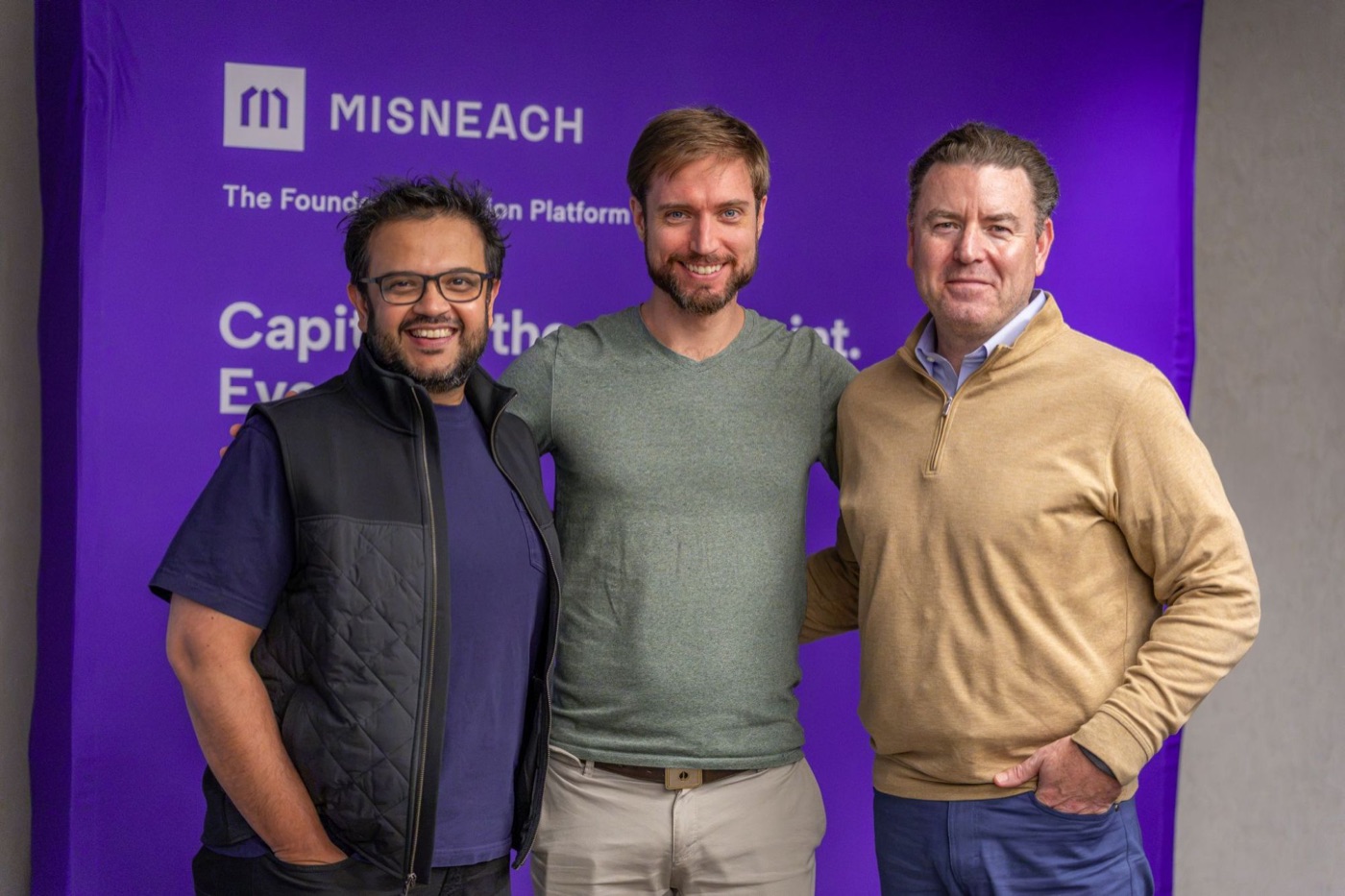 ekai raises $1.7MBacked by Misneach and C10 Labs. Yahoo Finance ↗
The meaning gap: why enterprise AI still gets the numbers wrong
Enterprise AI gets numbers wrong because the meaning behind the data was never written down. A governed, verified semantic layer closes that gap.
 JD
Is AMOUNT gross, or net of tax and discount?
Why can't AI read business meaning straight from my data?
LLMs never learned your business
They were trained on the world's public data. Your KPIs, your definitions, your exceptions live in your experts' heads, not in your schema. Text to SQL reads your schema and answers anyway. No amount of prompting recovers knowledge that was never written down.
Manual extraction is slow
Semantic modeling engagements take months and six figures to document what your people already know. By the time the model is delivered, the business has moved and the model is already aging. Hand authored YAML and dbt models age the same way.
Unverified AI is a liability
Point an AI agent at raw tables and it answers confidently and wrongly. Every agent downstream inherits the same unchecked meaning. Meaning that no one checked is meaning no one is accountable for, and one wrong number in a board pack costs more than the tooling that produced it.
The knowledge already exists. ekai automates the modeling that gets it out of your experts, into your warehouse, and proves it before anyone relies on it.
Building got cheap. Being wrong got expensive.
Why the same question gets two different answers, and what it takes to get one.
Is giving AI business context a technology problem?
No. It is a knowledge capture problem. Meaning is scattered across four places.
One written, owned layerCaptured from all four, then checked against your warehouse.Why does my AI give different answers to the same question?
Your AI gives different answers to the same question because it has the data but not the meaning. When you ask about "revenue" or "active customers", the model has to guess which tables, filters and definitions apply, and it can guess differently every time: a different join, a different date range, a different version of the metric. The problem isn't the model. It's the missing context layer between your AI and your data. ekai fills that gap by profiling your warehouse in place (read-only, and your raw rows stay in your warehouse) and asking your experts only what the data can't explain. It then turns that into one governed semantic model, where every definition is checked against your warehouse and passes tests before it ships, with a record of who declared it. Every AI tool you use then works from the same source of truth. The same question gets the same answer every time, with the definition behind it and a history of who declared it.
- 01 · The question
6:40 pm. The CFO asks the AI agent: "What was Q3 net revenue?"
- 02 · The guess
"$48.2M, up 12% year over year." It added up order amounts, including refunds and unreconciled payments.
- 03 · It spreads
The number goes into the CEO's script and guidance is raised.
- 04 · The close
Actual net revenue: $44.9M, up 4%. Overstated by $3.3M.
- 05 · The cost
A public correction, guidance cut, an audit committee review and a share price drop.
"$44.9M, up 4%, net of refunds and credits."
From the model's definitionIllustrative scenario · demo data
How do you reduce AI hallucinations on enterprise data?
- 01Ask your expertsekai asks your experts what each number means, in plain words.The method
- 02Keep a human in the loopYour engineer approves every model before it goes live.Why ekai
- 03Verify against the warehouseEvery definition is checked against your own data first.Governance and security
- 04Publish one governed modelEvery AI tool that reads the model gets the same definition.Integrations
Common questions
Last updated October 28, 2026
What is a meaning gap in data?
A meaning gap is the distance between the numbers in your data and what they mean to your business. AI falls into it when definitions were never written down.
Does a bigger model fix hallucinations on business data?
No. A bigger model still has to guess what your company means. Written, verified definitions remove the guess.
Is text-to-SQL enough to make AI accurate?
No. Writing a query is the easy part. Knowing which definition the query should use is the hard part.
How can I tell if my AI agent is guessing?
Ask it for the definition behind the number and who declared it. If it cannot show them, it is guessing.
Who should own a business definition?
The person or team accountable for that number, such as Finance for revenue. ekai records them as the owner.