 Snowflake
 Databricks
 BigQuery
 Redshift
 PostgreSQL
 Azure Synapse
 ClickHouse
 DuckDB
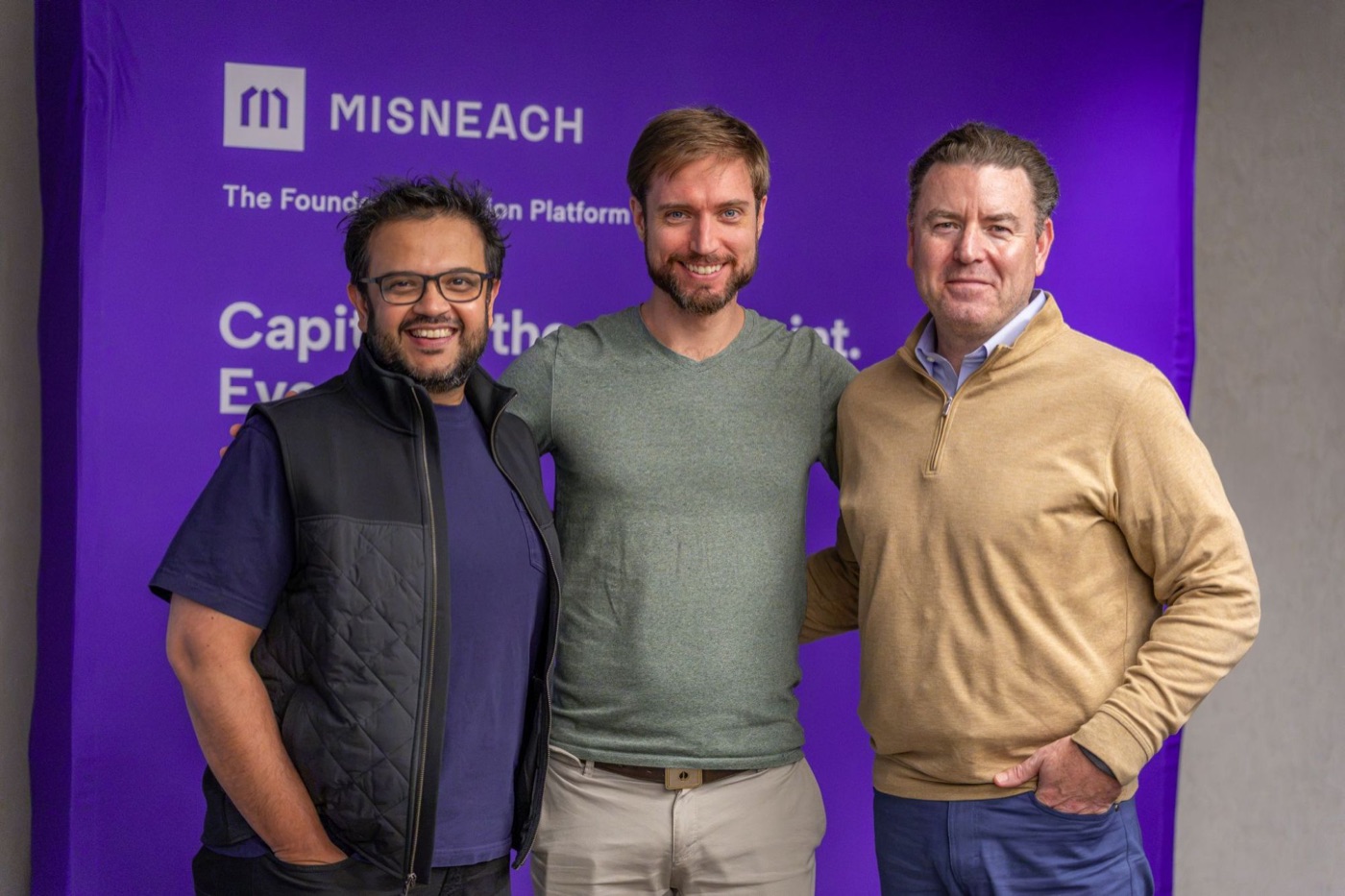 ekai raises $1.7MBacked by Misneach and C10 Labs. Yahoo Finance ↗
Speed
Home / Why ekai
Why is it hard to launch accurate AI?
Most AI projects fail because they lack business context. ekai automates the manual work of writing that context down.
 JD
Semantics › Sales and revenueOwner: FN
Model DetailsBusiness RequirementsAI ModelingData TransformationCode Sync
EXPLORERAI Modeling 6Business GlossaryLineageSales and Revenue Semantic Model ReviewData CatalogMetricsData Validation
Data Validation
Each rule has its validation logic in SQL and an expected result. The Data Transformation agent runs the rules when it builds.
GRAIN
one row per ORDER_IDExpected result0 violationsREFERENTIAL
every REGION_CODE exists in REF.REGIONSExpected result0 violationsMEASURE
AMOUNT - TAX - DISCOUNT >= 0Expected result0 violationsTEMPORAL
ORDER_DATE falls inside the fiscal quarterExpected result0 violationsMEASURE
net_revenue >= 0 on every orderExpected result0 violations← Business RequirementsData Transformation →
90% of traditional time to value is spent on manual data and context engineering.
ekai removes the bottleneck, so data products go from an idea to production in hours, not months, turning your data and expert knowledge into business context for AI.
Traditional pathManual data and context engineering4 to 6 months
- Data discovery and profiling
- Relationship mapping
- Business rules and definitions
With ekaiAutomated discovery and co-authored context4 to 6 hours
Ready for review
Nothing ships unchecked.
Generation is the easy part, so we made accountability the product.
Before anything publishes
One row per ORDER_IDData Validation · grain rule
Expected result: 0 violationsEvery CUSTOMER_ID exists in dim_customerData Validation · referential rule
Expected result: 0 violationsnet_revenue = amount − tax − discountData Validation · measure rule
Expected result: 0 violationsSales and Revenue Semantic Model Reviewekai reviewing agent · read-only, binding
PassPublish approval checkpoint + publishData Transformation agent task · your approval
Checkpoint◈ You approve each checkpoint before anything publishes
Anchored to your experts' answers
Each answer becomes a Data Validation rule with an expected result, written before the model is built.
Tests ship with the code
Schema tests, validation rules and documentation are generated with every dbt model.
Humans hold the gate
Inferred relationships, definitions and metrics are reviewed by your people. ekai shows its evidence and takes correction.
Neutral by design
No warehouse to lock you into. The output is standard dbt, YAML and JSON you own, wherever you run next.
Built by hand
Takes months and stays unverified.
Mined from query history
Repeats whatever the past did.
ekai
Builds from meaning and proves the result.
Illustration · demo data
Why can't enterprises do this by hand anymore?
Mo Aidrus, ekai's co-founder and CEO, explains why he built ekai.
The current challenges of semantic modeling.
Skills
Not everyone can learn every technology
Access
Business teams wait on IT before they can try an idea
Trust
Accuracy is hard to guarantee
Illustration · demo data
ekai's answer: make context engineering automated and self-service, so accuracy and speed stop being a trade-off.
Every tool in your stack does one job well. ekai ships the data product.
Observability watches the pipelines and flags when data breaks.
Catalogs list what you have and who owns it.
Transformation reshapes raw data into clean tables.
ekai ships faster data products, from the business question to a governed, published product.
ekai works alongside all three and does the step none of them do, turning what your experts know into proven definitions that every tool reads. It pushes standard dbt to your own Git, and catalog exchange is coming soon.
How does ekai compare to manual modeling or forward deployed engineers?
Honest trade-off: ekai still needs a few hours of expert time, and highly bespoke one-off logic may still need an engineer.
Time to first model
How it's verified
What you keep
Best fit
Manual modeling
Time to first modelMonths
How it's verifiedManual spot checks
What you keepDocuments that age
Best fitOne-off strategic redesigns
Forward deployed engineers
Time to first modelWeeks, then ongoing
How it's verifiedDepends on the engineer
What you keepCode tied to the team
Best fitHighly bespoke, long-term builds
Time to first modelHours, not months
How it's verifiedEvery definition reconciled against the warehouse
What you keepStandard dbt, YAML and JSON in your Git
Best fitRepeatable domains that need fast, verified answers
AI agents sped up the code. Why is context engineering still the bottleneck?
TraditionalMonths
DiscoveryManualMappingManualBusiness rulesManualCodeAI-assistedTestingManual
With ekaiHours
Each step automated, rules co-authored with your experts, and approval checkpoints before anything publishes.
Common questions
Last updated October 28, 2026
Why do enterprise AI projects fail?
Most fail because they lack business context: the AI does not know what your numbers mean.
What is context engineering?
Writing down what your data means, such as definitions, rules and relationships, so AI can use it correctly.
How much faster is ekai than manual semantic modeling?
Secunetics built its production dbt pipeline with ekai in 6 hours for $56, against 96+ hours and about $26,400 by hand. In Allen Chen's words, that was 5% of the anticipated time.