 Snowflake
 Databricks
 BigQuery
 Redshift
 PostgreSQL
 Azure Synapse
 ClickHouse
 DuckDB
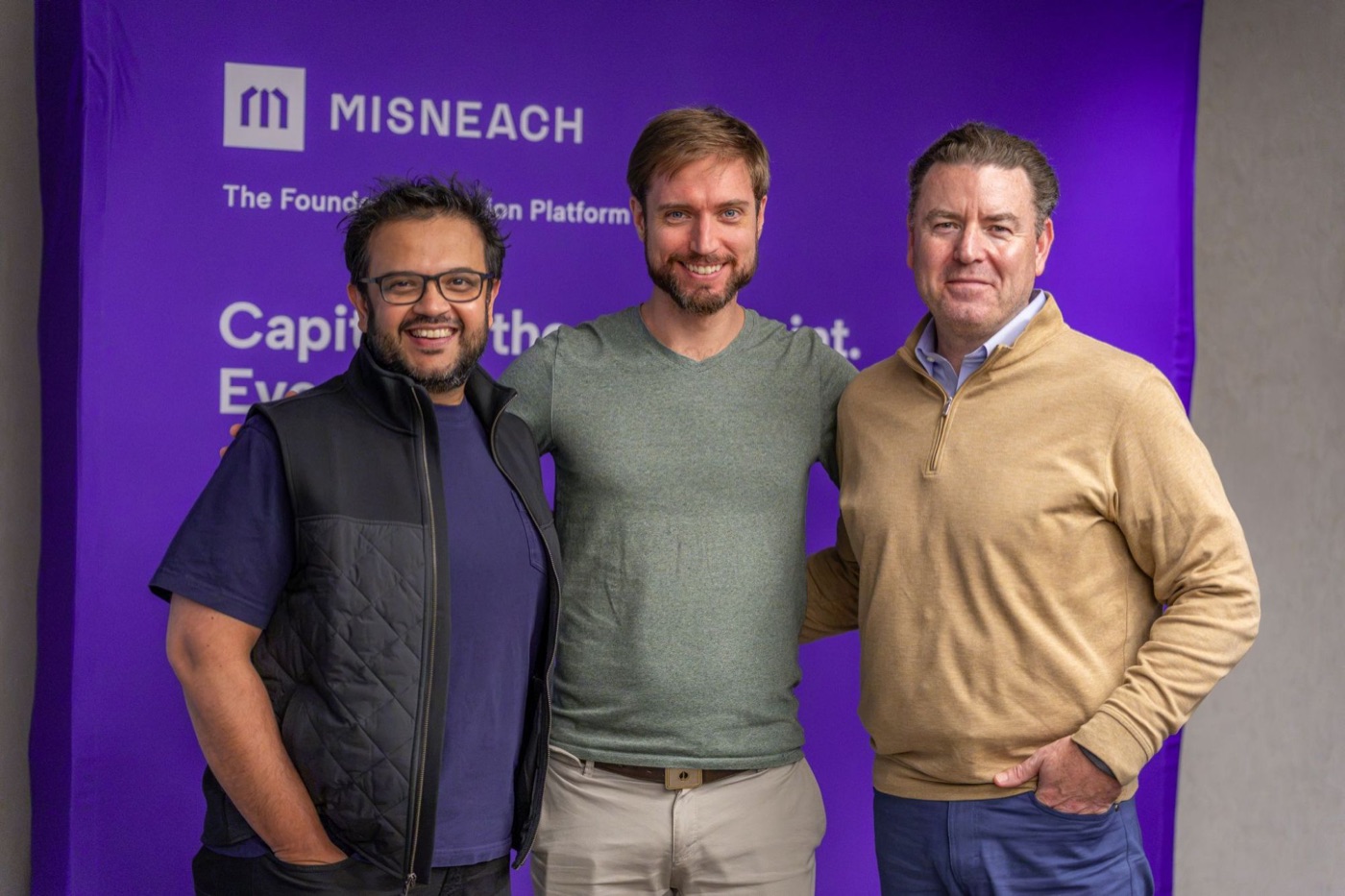 ekai raises $1.7MBacked by Misneach and C10 Labs. Yahoo Finance ↗
Your semantic layer is not another developer tool
Semantic layers, context layers and knowledge graphs are having a moment, and they share a blind spot: they leave out the people who actually understand the business. The most decision-critical context sits in experts’ heads, where no crawler can reach it.
TL;DR Semantic layers can serve one governed definition to every BI tool and AI agent, but they do not write those definitions. The most decision-critical context sits in the heads of subject matter experts, where no crawler can reach it. Until a semantic layer captures what those people know, AI keeps giving answers that are well built and still wrong.
Semantic layers, context layers and knowledge graphs are having a moment. Nearly every major data infrastructure vendor now ships tooling to help AI understand your business, and the progress is real.
But these tools share a blind spot. They leave out the people who actually understand the business. Until semantic layers capture what those subject matter experts know, AI will keep giving answers that are well built and still wrong.
Where business context really lives
Some context sits in warehouses, databases, spreadsheets, wikis and legacy systems, and tooling can crawl all of it. The most decision-critical context sits somewhere tooling can’t reach: in the heads of your subject matter experts.
Think of the finance lead who knows why revenue recognition differs for one product line. Or the operations manager who knows which seasonal patterns break a simple aggregation. Or the data architect who knows two near-identical tables serve different purposes because of a migration years ago.
That isn’t metadata or documentation. It’s domain knowledge, and it’s the most important input to any semantic layer that claims to represent business truth. A semantic layer serves one governed definition to every BI tool and AI agent, but it doesn’t write those definitions. It can only be as good as the knowledge of whoever authored it.
The hard part isn’t the code
The industry’s answer has been developer-centric: copilots that help data engineers write better YAML, SQL and transformation logic. Useful, but it assumes the hard part is writing code. The hard part is capturing what the business means by each number before anyone writes a line.
An engineer can write a perfect dbt model on top of an assumed grain or a metric borrowed from a misunderstood dashboard. The code is clean and the logic is sound, but the answer is wrong.
Getting it right takes experts on both sides: data architects, security and IT on the technical side, and department heads and process owners on the business side. Today’s tools ask both groups to express what they know in code. Your security policy and business rules shouldn’t depend on someone translating them into YAML.
Build forward from what experts know
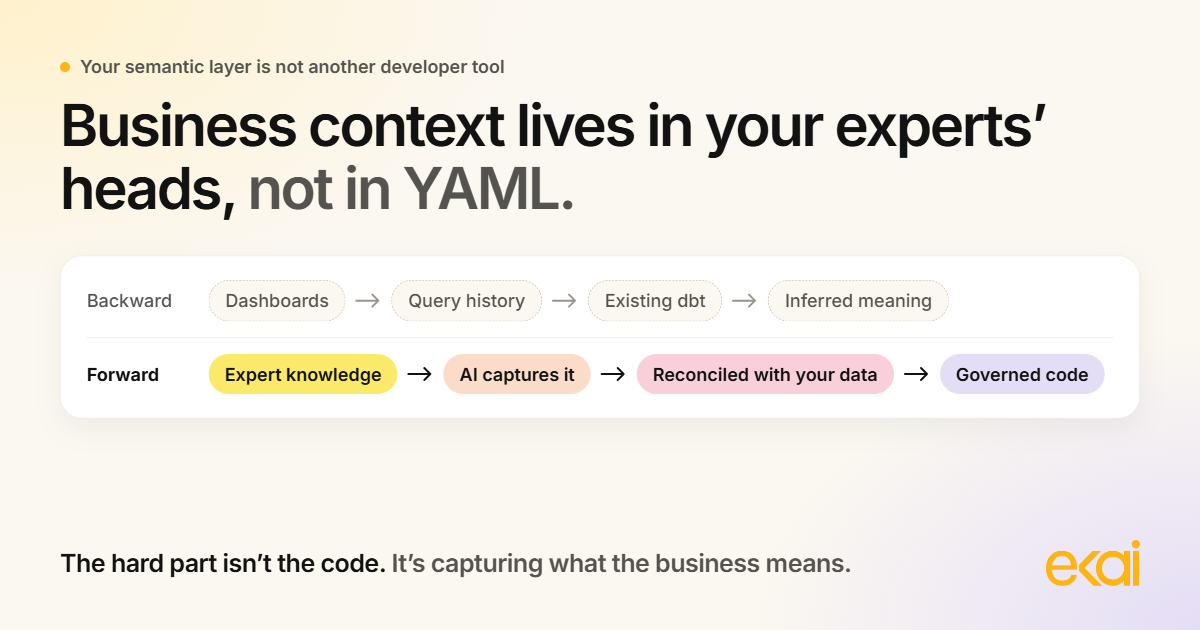
Most semantic layer tools work backward, extracting meaning from existing dashboards, query history and dbt projects. That helps document what you have. It doesn’t help when a new reporting need, a regulatory change or a new initiative calls for a data product that doesn’t exist yet. There’s nothing to reverse-engineer.
Forward engineering starts with the business requirement as experts define it. AI interviews the expert, captures what they know, reconciles it against the actual data, and turns it into business logic, transformation code and validation rules. The output is governed code your existing semantic layer can serve, and the expert never writes a line of YAML.
Experts drive the meaning. AI handles the speed, scale and translation into infrastructure. The context layer for enterprise AI isn’t a technology problem; it’s a knowledge capture problem.
ekai asks your expert, proves the answer and shares it with every tool.
See every step from raw tables to a verified model, or start with a discovery call about one domain and three business questions.
Keep reading
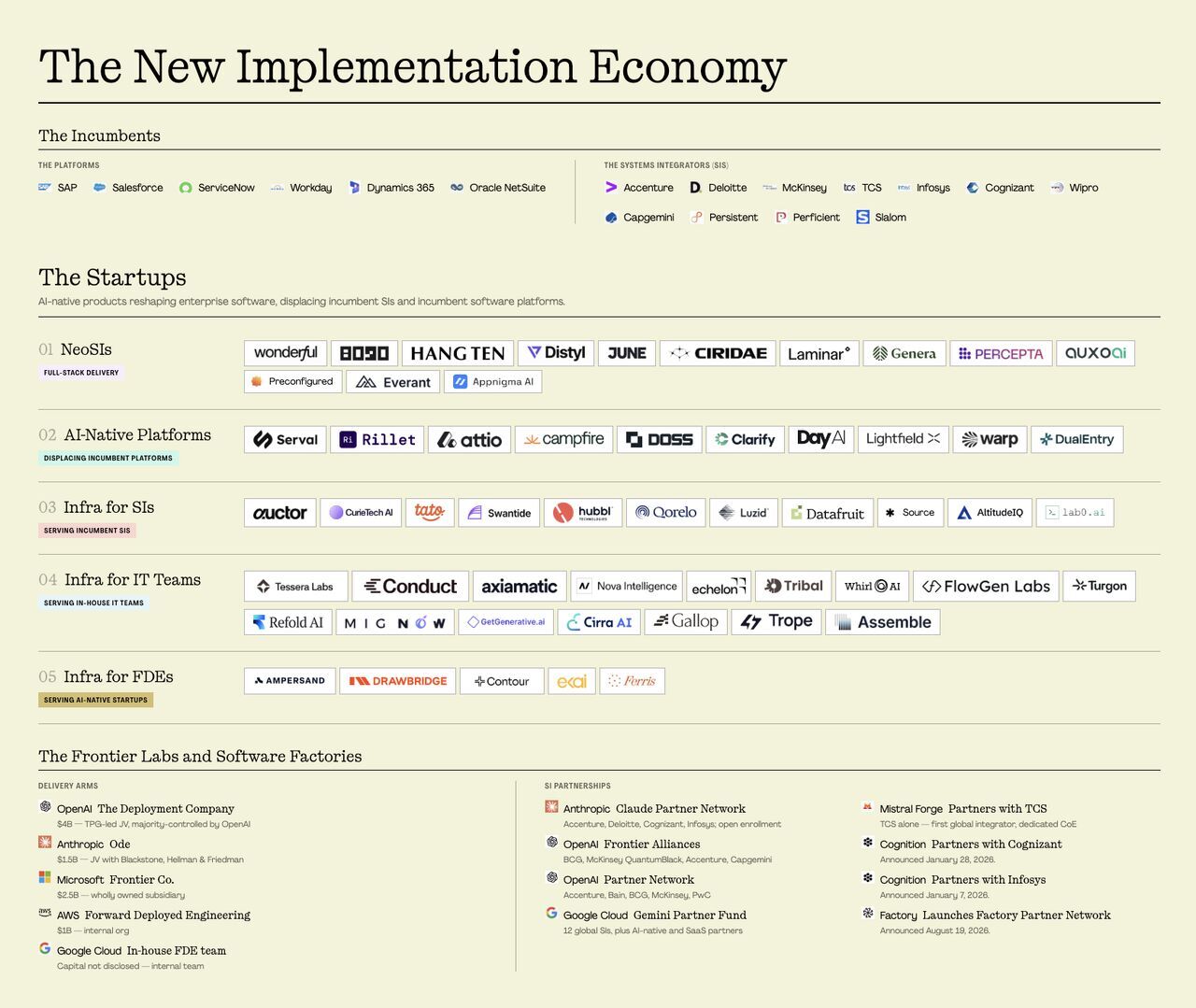 Announcement · Recognitionekai named to Innovation Endeavors’ map of the New Implementation EconomyRead
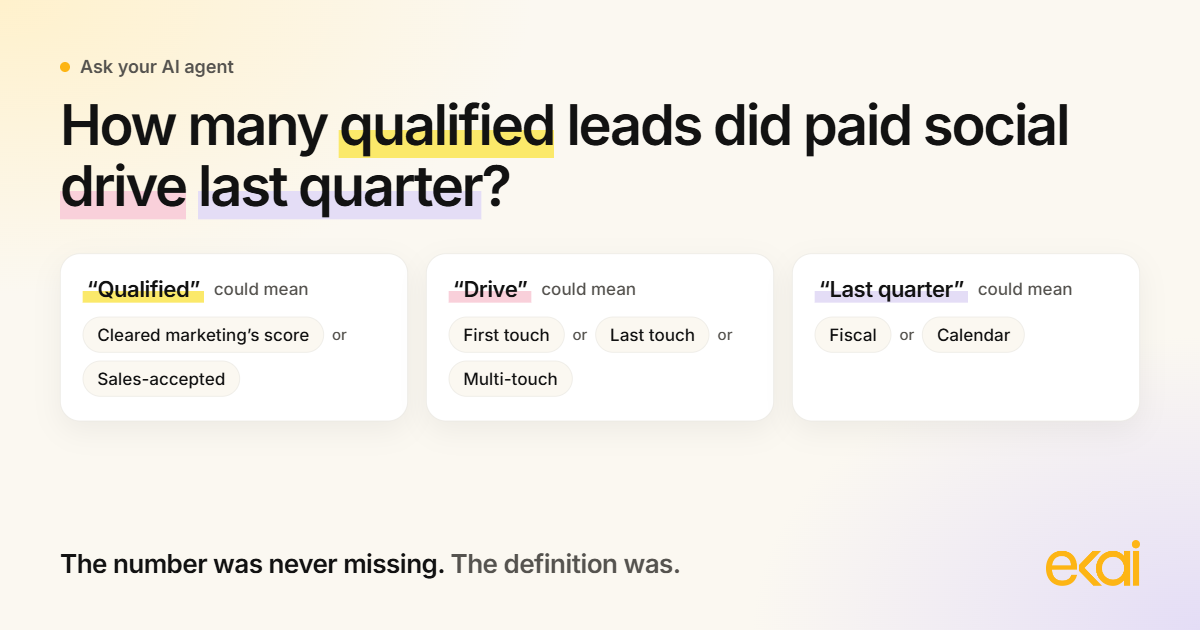 Perspective · AI adoptionThe number was never missing. The definition wasReadAI accuracyAI Hallucination: Why AI Agents Get the Numbers WrongReadPerspective · Data governanceBuilding got cheap. Being wrong got expensiveReadAnnouncement · FundingWe raised $1.7M to fix enterprise AI’s meaning gapReadAnnouncement · Security and complianceekai achieves SOC 2 Type II compliance with zero exceptionsReadGuideHow enterprise AI uses semantic intelligenceReadGuideWhat is AI semantic modeling?Read